Don’t Let Your Guard Down Webinar 2023
Host Gerry Dworkin of Lifesaving Resources hosts a mid-summer webinar on drowning and aquatic injury prevention, recognition and emergency management....
07 August, 2023

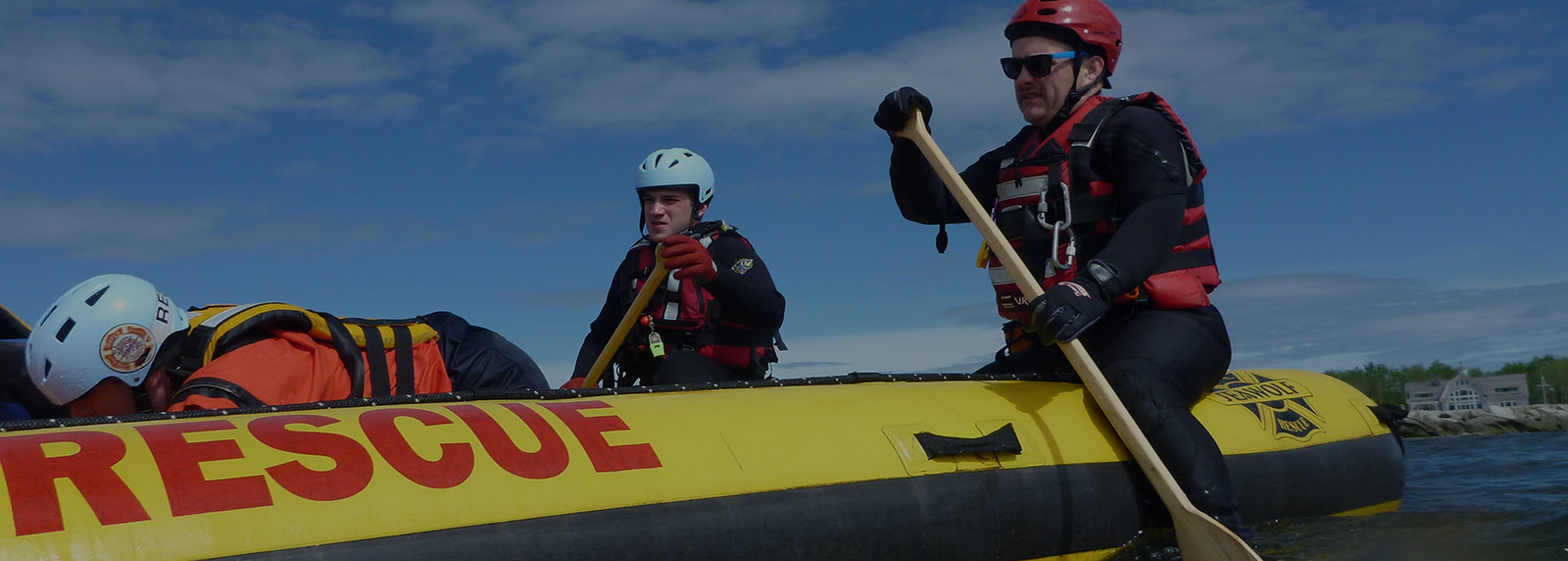
Host Gerry Dworkin of Lifesaving Resources hosts a mid-summer webinar on drowning and aquatic injury prevention, recognition and emergency management....
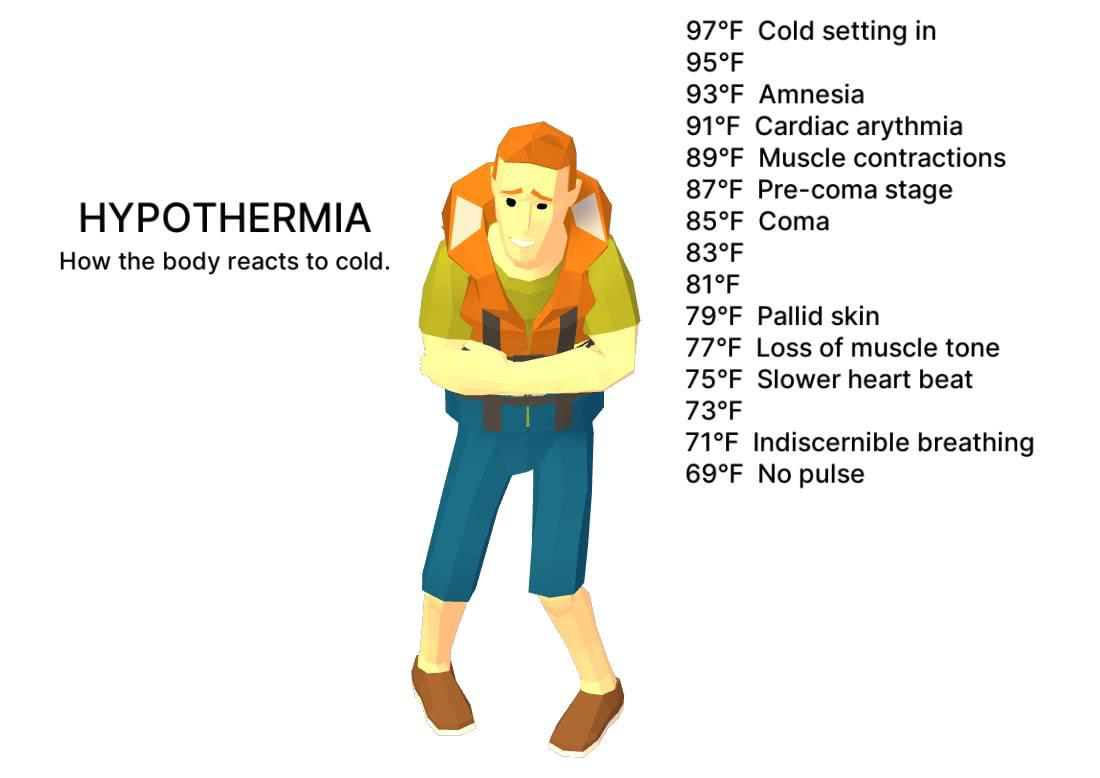
Lifesaving Resources warns of the risk of cold water...
Developing a risk-management program to prevent accidents in aquatic facilities Download pdf of this article Article originally published in Parks & Rec Business magazine, April 2023. Drowning is a significant health concern within the U.S., and is one of the leading causes of...
All ponds in and around residential communities should be required to be fenced in order to prevent unauthorized access, especially by young children. Regardless of whether or not state/county/city laws require fencing, the owner/operator of the community complex should take...
Drowning is a significant health concern within the U.S. and is one of the leading causes of unintentional injury deaths for people of all ages. Drowning is the 3rd leading cause of unintentional injury death for children 14-years-of age and...
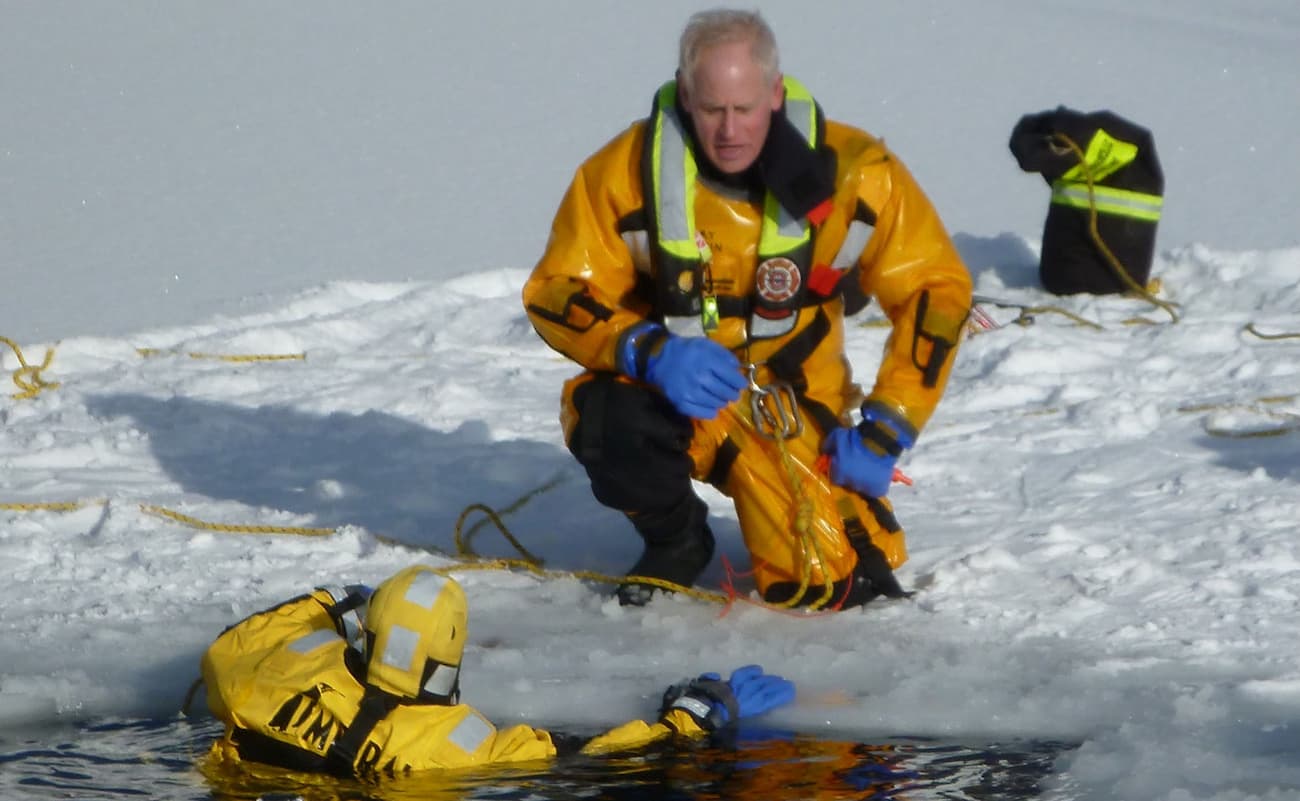
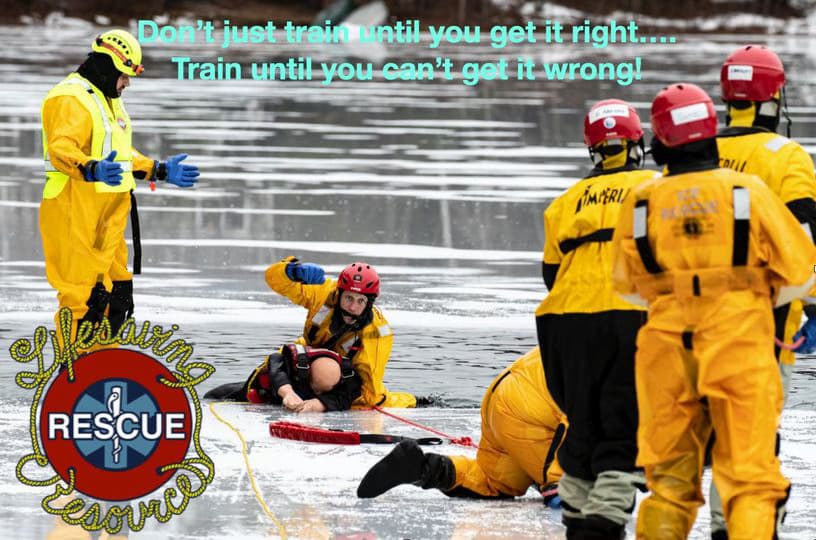
Training & Equipment First Responders must be properly trained and equipped in order to safely and effectively respond to ice rescue and recovery incidents. PPE (Personal Protective Equipment) must be readily available and in good condition for both shore-based and Rescue Swimmer...
Self rescue from a submerged vehicle can be accomplished with quick action upon entering the water....
Hypoxia Induced by Rapid Onset Pulmonary Edema (ROPE) is the cause of some, if not most, snorkel-related fatal and near-fatal drownings according to a ...
With changes to pool operations as a result of the COVID-19 pandemic, there are also recommended changes to how lifeguards respond to medical emergencies. Based on current recommendations, we have outlined procedures for swimming pool, water park and other aquatic venues...
Local governments are beginning to allow swimming pools and other aquatic facilities to reopen as restrictions ease across the country. Lifesaving Resources can provide guidance and training to facilities looking to safely reopen their doors. The guidelines below are based...
Responding to Cardiac Arrest calls during the Coronavirus pandemic has required First Responders to modify protocols to reduce risk to responding personnel while providing lifesaving care to patients....
Drowning is generally defined as “an asphyxia death in which the body is deprived of oxygen as a result of impairment of oxygen exchange ultimately within the lungs after partial or complete submersion in a liquid, usually water, with subsequent...
Each year approximately one million people in the United States suffer from acute myocardial infarction (heart attack) of which approximately 700,000 die. About 350,000 of these fatalities occur outside the hospital, usually within two hours after the onset of symptoms...
by Gerald M. Dworkin Printed in Sept. 1981, Security Tips Newsletter According to the National Safety Council, accidents are the leading cause of death in this Country for people between the ages of 1 and 44. Accidents remain one of the leading...
by Gerald M. Dworkin Printed in March 1983 jems For the past three issues, jems has presented a thorough review of spinal immobilization devices that are used in traditional rescue situations. But what about the victim who must be removed from deep...
by Gerald M. Dworkin Printed in May 1986 jems Each year approximately 10,000 new spinal cord injuries are identified and treated in this country. The average age of onset is 28.7 years with the most common age being 19 years. Fifty percent...
Lifeguard competition has been proven to be a very effective motivational tool, as well as the basis for developing a seasonal or year-round lifeguard in-service training program. by Gerald M. Dworkin Printed in April 1986 Parks & Recreation LIFEGUARDS! Man Your Buoys! (Bang!!)...
by Gerald M. Dworkin Printed in Winter 1987 Rescue Squad Quarterly Because of the major health concerns today, there is a major reluctance among emergency service personnel to perform direct mouth-to-mouth rescue breathing on an unknown victim. When confronted with a resuscitation...
Spinal Injury Management in Water Environments Part 2: Emergency Procedures by Gerald M. Dworkin Printed in July 1987 Parks & Recreation; Revised April 2014 Spinal injuries in water can be greatly reduced if incidents are properly managed by those on scene. Personnel responsible for...
Spinal Injuries in the Aquatic Environment Part 1: Prevention by Gerald M. Dworkin Printed in July 1987 Parks & Recreation One hot Sunday afternoon, a family was enjoying a leisurely barbeque around their new backyard swimming pool. The children played a game of tag...
Eight Steps To a Safer Facility by Gerald M. Dworkin Printed in Feb 1987 Parks & Recreation Aquatic activities have become very popular forms of recreation in this country, not only during the summer, but all year long. Aquatic recreational activities take many...
Why a Pool Audit Means Good Risk Management by Gerald M. Dworkin Printed in Club Director. (1990). Revised April 10, 2014 Guaranteeing the safety of all members who use your club's aquatic facility and safeguarding the assets of the club against possible loss...
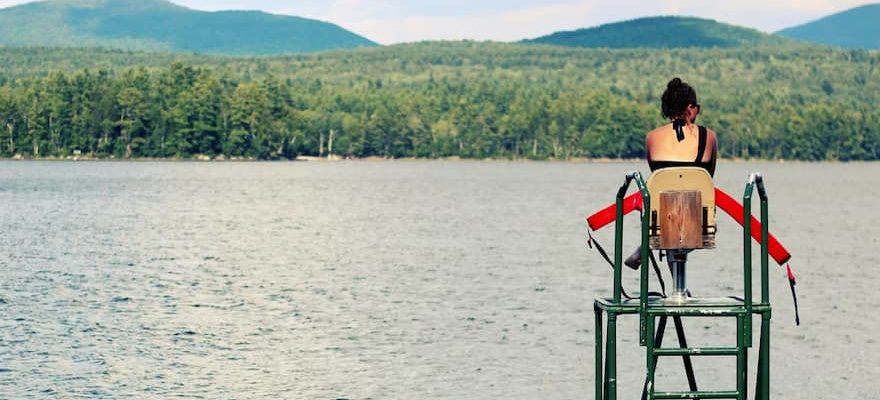
The lifeguard "Standard of Care" describes the manner in which a lifeguard is expected to act or behave. There are six key elements to this standard, and a breakdown in any one of them are the basis for most drownings...
The Supreme Court helps employers see the ADA a little more clearly. by Gil Fried and Ann Walker AB-Dec, Sports Law Report Analysis of the Americans with Disabilities Act has produced both court opinions and popular opinion, but the landmark legislation still seems...